
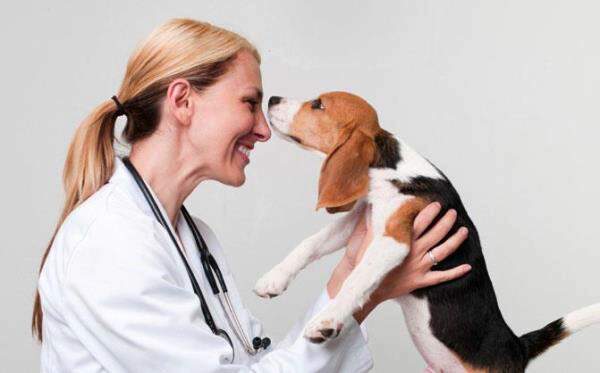
Pets bring joy, companionship, and unconditional love into our lives, but they are also susceptible to various health issues that can affect their well-being. As responsible pet owners, it’s essential to be aware of common pet health problems and take proactive steps to prevent them. In this blog post, we’ll explore some of the most common health issues affecting pets, their symptoms, and practical tips for prevention.
Common Health Issues in Pets
- Obesity
Obesity is a growing concern among pets, particularly in dogs and cats. Excess weight can lead to various health problems, including diabetes, arthritis, and heart disease.
Symptoms:
- Excessive weight gain
- Difficulty breathing or decreased stamina
- Difficulty moving or reluctance to exercise
Prevention Tips:
- Provide a balanced diet with appropriate portion sizes.
- Encourage regular exercise and playtime.
- Monitor your pet’s weight and adjust their diet and activity level as needed.
- Dental Disease
Dental disease is one of the most common health issues in pets, affecting up to 80% of dogs and cats by the age of three. It can lead to pain, tooth loss, and systemic infections.
Symptoms:
- Bad breath
- Red or swollen gums
- Difficulty eating or chewing
- Yellow or brown tartar buildup on teeth
Prevention Tips:
- Brush your pet’s teeth regularly with pet-safe toothpaste.
- Provide dental treats and toys to help reduce plaque buildup.
- Schedule regular dental check-ups with your veterinarian.
- Fleas and Ticks
Fleas and ticks are external parasites that can cause itching, skin infections, and transmit diseases. They are more prevalent during warmer months but can be a year-round issue.
Symptoms:
- Excessive scratching or biting at the skin
- Red or inflamed skin
- Presence of fleas or ticks on your pet’s body
Prevention Tips:
- Use veterinarian-recommended flea and tick preventatives.
- Regularly check your pet for fleas and ticks, especially after outdoor activities.
- Maintain a clean home environment and regularly wash your pet’s bedding.
- Ear Infections
Ear infections are common in dogs, particularly those with floppy ears or those prone to allergies. Cats can also experience ear infections, although they are less common.
Symptoms:
- Head shaking or tilting
- Scratching or rubbing ears
- Redness or swelling in the ear canal
- Unpleasant odor or discharge from the ears
Prevention Tips:
- Keep your pet’s ears clean and dry.
- Regularly check for signs of infection or irritation.
- Consult your veterinarian for appropriate ear-cleaning solutions.
- Gastrointestinal Issues
Pets can experience various gastrointestinal problems, such as vomiting, diarrhea, or constipation. These issues can result from dietary changes, infections, or underlying health conditions.
Symptoms:
- Vomiting or diarrhea
- Loss of appetite
- Abdominal pain or bloating
- Lethargy
Prevention Tips:
- Feed a consistent, high-quality diet appropriate for your pet’s age and health.
- Avoid giving table scraps or foods that may upset your pet’s stomach.
- Provide plenty of fresh water and ensure regular exercise.
The Importance of Regular Veterinary Check-Ups
Regular veterinary check-ups are crucial for maintaining your pet’s health and catching potential issues early. During these visits, your veterinarian can assess your pet’s overall health, provide vaccinations, and offer guidance on diet, exercise, and preventative care. Here are some reasons why regular vet visits are essential:
- Early Detection: Routine exams can identify health issues before they become severe, allowing for prompt treatment and better outcomes.
- Preventative Care: Veterinarians can provide preventative treatments, such as vaccinations, parasite control, and dental care, to protect your pet from common health problems.
- Tailored Advice: Your vet can offer personalized advice on nutrition, exercise, and lifestyle to ensure your pet stays healthy and happy.
- Building a Relationship: Regular visits help build a relationship between your pet and the veterinarian, making future visits less stressful and more effective.
Conclusion
Caring for a pet involves more than just providing food and shelter; it requires vigilance and proactive measures to prevent common health issues. By staying informed about potential health problems and taking steps to prevent them, you can ensure your pet enjoys a long, healthy, and happy life. Remember, regular veterinary check-ups are a vital component of your pet’s healthcare regimen, helping to detect and address health issues before they become serious. With proper care and attention, you can keep your furry friend by your side for many joyful years to come.
 Pet Health Tips