
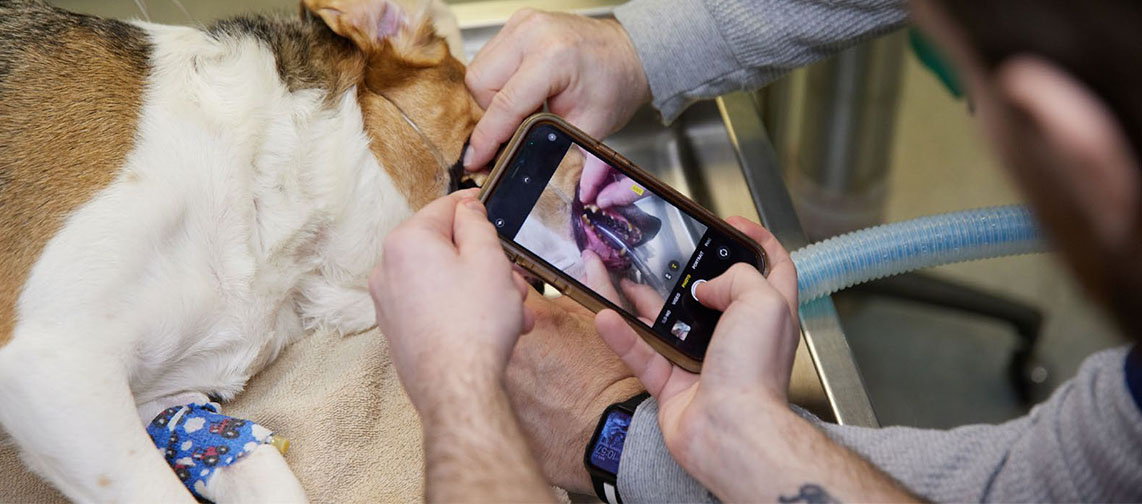
The world of veterinary medicine is rapidly evolving, with technology playing a crucial role in transforming how pet owners access healthcare for their furry companions. One of the most significant advancements in recent years is the rise of veterinary telemedicine. This innovative approach to pet care allows veterinarians to consult with pet owners remotely, providing medical advice and treatment options through digital platforms. In this post, we will explore the benefits, challenges, and future of veterinary telemedicine, and how it can enhance pet health and convenience for pet owners.
What Is Veterinary Telemedicine?
Veterinary telemedicine involves the use of technology to provide remote clinical healthcare to pets. This can include video calls, phone consultations, and digital communication platforms that allow veterinarians to diagnose, treat, and advise on pet health issues without requiring a physical visit to the clinic. Telemedicine has been widely used in human healthcare for years, and its application in veterinary medicine is now gaining momentum.
Benefits of Veterinary Telemedicine
- Increased Accessibility
Veterinary telemedicine makes healthcare more accessible, especially for pet owners in remote areas or those with mobility issues. It eliminates the need for travel, reducing the stress and inconvenience associated with transporting pets to a clinic.
- Convenience and Time Savings
Telemedicine offers a convenient solution for busy pet owners who may struggle to find time for in-person vet visits. Appointments can be scheduled at flexible times, saving time and effort for both pet owners and veterinarians.
- Reduced Stress for Pets
Visiting a veterinary clinic can be stressful for many pets, leading to anxiety and discomfort. Telemedicine allows pets to receive care in the comfort of their own homes, reducing stress and creating a more relaxed environment for assessments.
- Timely Consultations
In situations where immediate medical advice is needed, telemedicine provides a quick way for pet owners to connect with veterinarians. This can be crucial in emergencies or when dealing with sudden health concerns.
- Cost-Effective Care
Telemedicine consultations are often more affordable than in-person visits, making healthcare more accessible to pet owners with budget constraints. This can lead to more frequent check-ups and proactive care, ultimately improving pet health.
Challenges of Veterinary Telemedicine
- Limited Physical Examination
One of the main challenges of telemedicine is the inability to perform a hands-on physical examination. Certain conditions may require direct observation and testing, which can only be done in-person.
- Technology Barriers
Not all pet owners have access to the technology needed for telemedicine consultations. Issues with internet connectivity, devices, or digital literacy can hinder the effectiveness of telemedicine.
- Legal and Regulatory Issues
The practice of veterinary telemedicine is subject to legal and regulatory considerations that vary by region. Veterinarians must navigate these regulations to ensure compliance and provide ethical care.
- Communication Limitations
Miscommunication can occur during remote consultations due to technical issues or misunderstandings. Clear and concise communication is essential to ensure accurate diagnoses and treatment plans.
The Future of Veterinary Telemedicine
As technology continues to advance, the future of veterinary telemedicine looks promising. Here are some potential developments and trends that may shape its evolution:
- Integration with Wearable Technology
The use of wearable devices that monitor pet health metrics, such as heart rate and activity levels, can enhance telemedicine consultations by providing real-time data. This integration allows for more accurate assessments and personalized care plans.
- Expanded Services
Telemedicine services may expand to include a wider range of specialties, such as dermatology, nutrition, and behavior consultations. This diversification can provide comprehensive care to pets with specialized needs.
- Improved Diagnostic Tools
Advances in diagnostic technology, such as remote imaging and at-home testing kits, can complement telemedicine by enabling veterinarians to obtain more detailed information about a pet’s condition.
- Increased Adoption and Awareness
As pet owners become more aware of the benefits of telemedicine, its adoption is likely to increase. Veterinarians may offer telemedicine as a standard option, further integrating it into routine pet care.
How to Make the Most of Veterinary Telemedicine
If you’re considering using veterinary telemedicine for your pet’s healthcare, here are some tips to ensure a successful experience:
- Choose a Reputable Platform
Research and choose a telemedicine platform that is reputable, secure, and user-friendly. Look for platforms that offer features such as video calls, chat options, and easy appointment scheduling.
- Prepare for the Consultation
Before your appointment, gather relevant information about your pet’s health history, symptoms, and any recent changes in behavior. This will help the veterinarian provide an accurate assessment.
- Ensure a Stable Internet Connection
To prevent disruptions during the consultation, ensure that you have a stable internet connection and a device with a functioning camera and microphone.
- Follow Up as Needed
If the veterinarian recommends a follow-up appointment or in-person visit, be sure to schedule it promptly. Telemedicine can complement, but not replace, physical examinations when necessary.
Conclusion
Veterinary telemedicine is revolutionizing pet healthcare by providing convenient, accessible, and cost-effective solutions for pet owners. While it has its challenges, the benefits of telemedicine are undeniable, offering a valuable alternative to traditional veterinary visits. As technology continues to evolve, telemedicine will likely play an increasingly important role in ensuring that pets receive the care they need, whenever and wherever they need it. By embracing telemedicine, pet owners can enhance their pet’s health and well-being while enjoying the convenience of modern veterinary care.
 Pet Health Tips